


What makes them French?
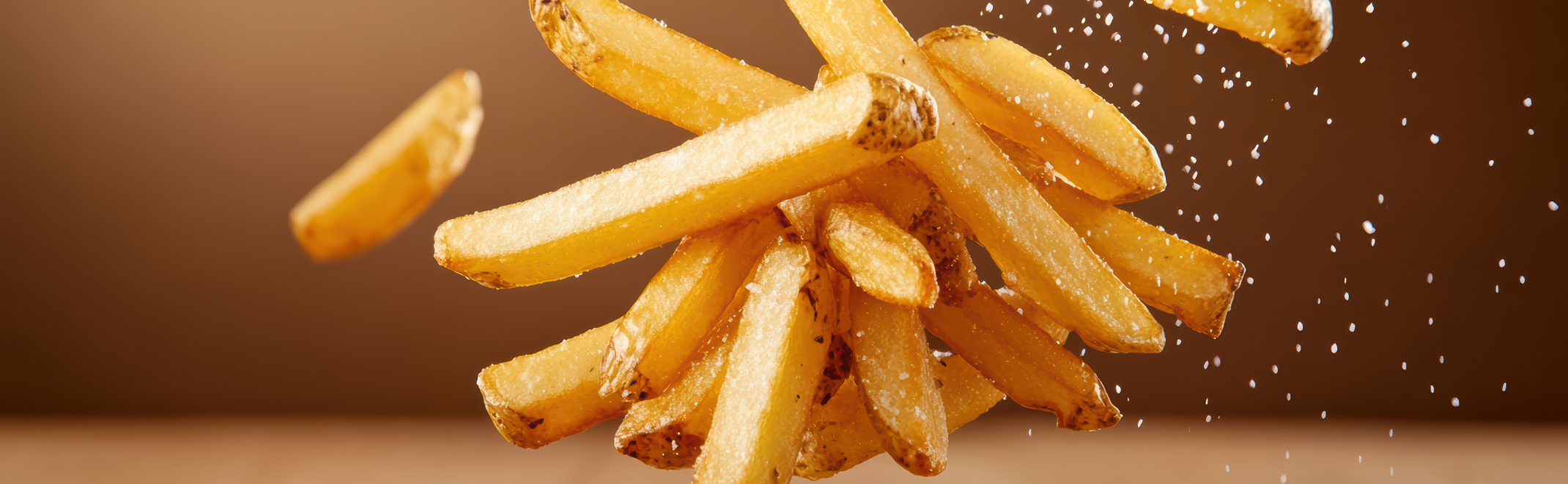
Photo: Vecteezy.com
Who doesn't love a good french fry? The best fried potatoes turn out tender and steamy on the inside, crispy on the outside, not too oily, and plenty salty, making a pile of them the perfect accompaniment to a juicy burger, or a rare ribeye steak. Is there anyone who doesn't like fries?.
According to UC Davis, the average American eats around 40 pounds of French fries per year, and McDonald's, the world's top seller of fries, slings about nine million pounds of them per day. In fact, the U.S. Department of Agriculture states that 25% of all potatoes consumed in the U.S. are eaten as fries. If you've ever munched on a french fry — or if you remember the whole "freedom fries" controversy from 2003 — you may have stopped to think about the name. Beloved all over the world, are french fries actually French?
If you had assumed the name "french fries" indicates the classic fried potato dish hails from France, we'd understand! Actually, France and Belgium both lay claim to the invention of fried potatoes. Many sources say the crispy spuds were most likely invented in the country's northeast neighbor, Belgium.
According to lore, the dish was born in Belgium in the winter of 1680, when the fried fish-loving denizens of a city called Namur had to find something else to cook when the local river froze over. Lacking their tiny fish, they substituted potatoes cut in long segments, fried them, and voilà, the birth of the french fry! While some historians have questioned the authenticity of this tale, Belgium has stood firm in its stance that it created french fries, petitioning UNESCO to add the dish to Belgium's list of cultural treasures on multiple occasions.
Maybe they are French after all?
Historians cast doubt on the fishy origin story from Namur because oil was scarce at the time, so it's unlikely that a vast amount of the treasure would have been sacrificed on a lowly spud. Potatoes were not yet known in that part of Belgium, either. Over in France, cookbooks mention fried potatoes as early as 1795, but they were probably just sliced and not the familiar stick shape.
Thomas Jefferson is said to have served lightly fried potatoes after returning from France in 1802, but again, the shape was not quite as we know it today. Belgian researcher Pierre Leclercq discovered that a German-born and Paris-trained cook, Herr Krieger, was traveling from town to town in Belgium in the early 1800s, selling sliced, fried potatoes which he described as Paris-style fried potatoes. A shrewd marketer, by 1845 Krieger began cutting his potatoes in sticks to cook them faster — could that be the real genesis?
Only in America
While historians dispute when and where our beloved fries originated, calling them french fries is uniquely American. In France and Belgium, they are simply "pommes frites" or fried potatoes. Chunks of fried potatoes in Spain are patatas fritas, and the Brits know them simply as chips. So why do fries have the word "french" in front of them in the States?
The term might refer to the dish's method of preparation. "Frenching" is a way of cutting ingredients for even cooking, basically a julienne that aims to expose all sides of an item, such as potatoes, to the heat of an oven or fryer. Other fried foods can be described as "french fried," like onions or artichoke hearts. Others say that when American GIs returned from the WWI battlefields of Belgium with a love of pommes frites, they named them french fries since French was spoken there.
What about In-N-Out?
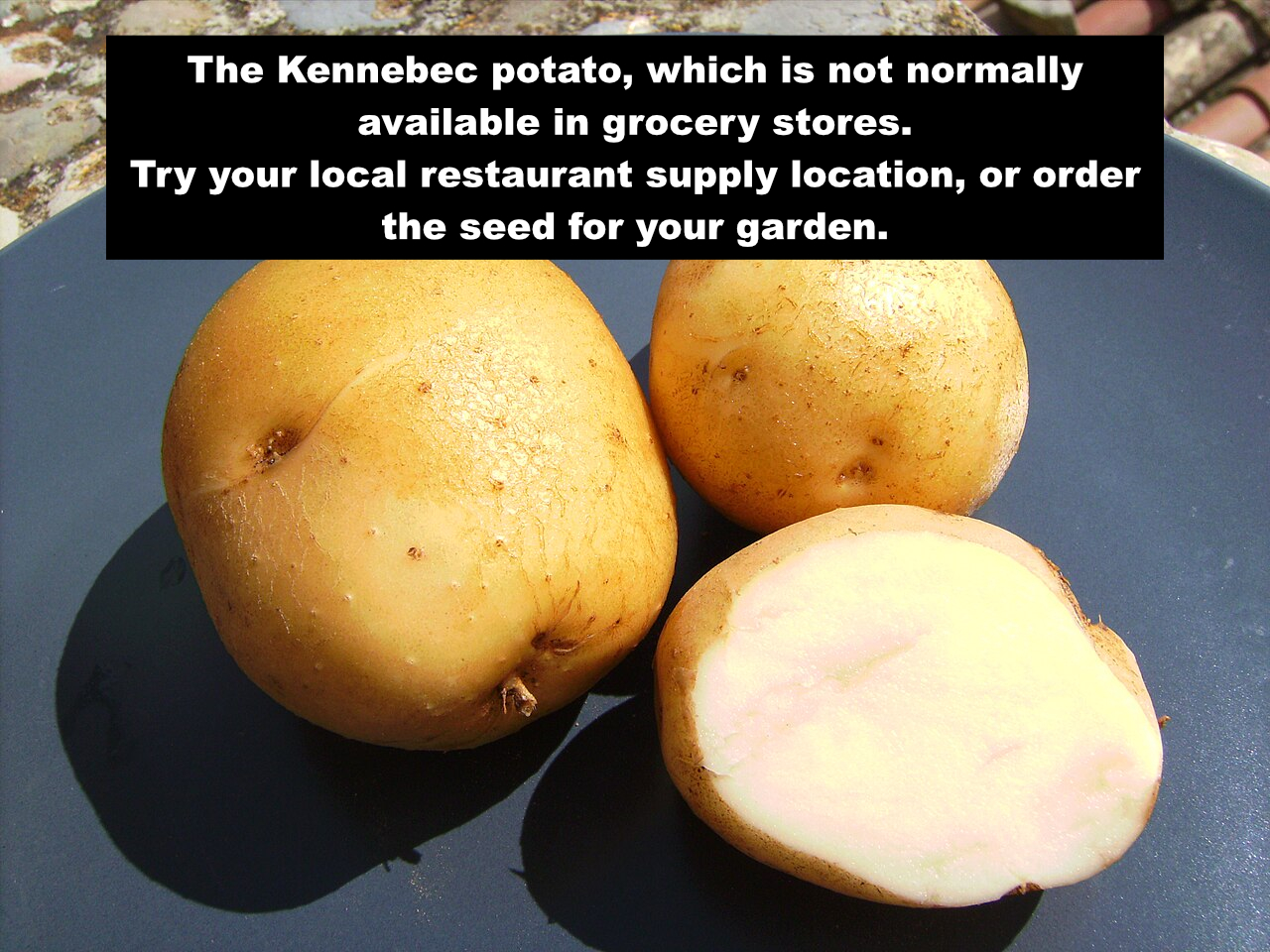
Meet the Kennebec. This white-fleshed potato was developed by the USDA at the Maine Agricultural Experiment Station in the 1940s. Kennebec is medium in size with light brown skin and white, starchy flesh that's known for its nutty flavor. These potatoes can be used for baking and mashing, but they are most popular for frying, as they brown evenly.
This variety dominates the potato chip market, and the In-N-Out burger chain uses them for its french fries. (There is much debate online about the In-N-Out fry, and its place in the "fry-archie." But that's another article altogether!)
Kennebec is a great choice when you want crispy roasted potatoes. The website Healthy Maven shares this recipe:
- Dice your potatoes into 1-inch pieces and pre-boil them for 10 minutes.
- Drizzle the drained potatoes with olive oil and a spice mix of mustard powder, garlic powder, chili powder, salt, and pepper.
- Roast at 425 F in the bottom rack for 20 minutes and then for 20 minutes on the top rack.
FYI: If you can't find a Kennebec in your local store, you may want to try the Russet Burbank. Its the main choice of McDonalds.
This article can be found at tastingtable.com